
Child & Adolescent Therapy
Supporting children and teens through anxiety, big emotions, and life transitions.
NY • NJ • MA
Sessions focus on helping children and teens build coping skills, emotional awareness, and confidence, with caregiver involvement when appropriate.
Because services are offered virtually, children must be developmentally ready to engage in telehealth sessions. This approach is typically most successful for children ages 8 and up, depending on individual readiness.
What Child & Adolescent Therapy Helps With
Children and teens experience anxiety, stress, and emotional challenges differently than adults. Child and adolescent therapy provides a supportive, developmentally appropriate space where children and teens can feel understood, learn coping skills, and build emotional regulation skills that support long-term mental health.
Parents often seek therapy for children and teens to help with:
Childhood anxiety, excessive worry, or panic symptoms
Difficulty with emotional regulation or frequent emotional outbursts
School related anxiety, stress, or school avoidance
Life transitions such as changes in family dynamics, routines, or environments
Low self confidence, negative thought patterns, or self doubt
Difficulty expressing emotions or communicating needs
This child and adolescent anxiety therapy focuses on practical, age appropriate tools that children and teens can use outside of session, with caregiver involvement incorporated when appropriate to support progress at home.
My Approach to Child & Adolescent Therapy
Developmentally Appropriate & Skill-Based
My approach to child and adolescent therapy is active, supportive, and skills focused. Sessions help children and teens build coping skills, emotional awareness, and emotional regulation strategies they can use in daily life. Therapy often includes age appropriate activities, reflection prompts, and tools designed to support learning both in and outside of session.
Collaborative with Caregivers
Caregivers are an important part of the therapeutic process. When appropriate, sessions include caregiver collaboration to support skill reinforcement, emotional understanding, and consistency at home, while still prioritizing the child or teen’s individual needs and privacy.
Anxiety-Focused & Strength-Based
Treatment emphasizes understanding anxiety, managing worry and panic symptoms, and building confidence through strengths-based and solution-focused strategies. Sessions are structured, supportive, and tailored to help children and teens feel safe, understood, and empowered.
Session Structure & Pricing
• Length: 45-minute sessions
• Rate: $120 per session
• Payment Methods: Insurance, Credit card or HSA card
• Insurance: Many insurances are accepted, or our-of-network benefits can be used. Please see FAQ’s for more info.
• Format: Online/virtual sessions for NY, NJ, and MA residents
Why Work With Me
As an Anxiety and Panic Specialist, I understand how anxiety, stress, and emotional patterns show up differently in children and teens. My work with young clients is grounded in both professional training and real-world experience.
My approach is rooted in:
Compassionate, structured support that helps children feel safe, understood, and supported
Practical coping tools children and teens can begin using immediately
A guided, developmentally appropriate process tailored to each child’s needs
Collaboration with caregivers to support progress outside of session
I am a former school social worker with many years of experience supporting children in academic, emotional, and behavioral settings. I also bring extensive experience as a behavior therapist, helping children develop emotional regulation, coping skills, and confidence.
In addition to my professional background, I am a parent of a child with anxiety, which gives me a deep, personal understanding of the challenges families face. I am a Certified Anxiety Informed Professional and have spent many years working with children and teens experiencing anxiety, worry, and emotional overwhelm.
Sessions are a supportive space for children to build skills, for caregivers to feel guided, and for families to move forward with clarity and confidence.
Who I Work With:
I provide virtual therapy for residents of:
New York
New Jersey
Massachusetts
Frequently Asked Questions
-
I provide therapy for children and adolescents who are developmentally able to engage in virtual therapy. Telehealth services are generally most appropriate for children ages 8 and older, though individual readiness is assessed on a case-by-case basis.
-
Yes. Telehealth can be very effective for children and teens who are able to focus, communicate, and engage in sessions independently. Virtual therapy allows children to participate from a familiar environment, which can help reduce anxiety and increase comfort.
-
Caregiver involvement is incorporated when appropriate and may include check-ins, guidance, and support around reinforcing skills at home. The level of involvement depends on the child’s age, needs, and treatment goals, while still respecting the child or teen’s privacy.
-
Children and adolescents often seek therapy for anxiety, excessive worry, panic symptoms, emotional regulation difficulties, school-related stress, life transitions, and challenges expressing emotions or needs.
-
Children who benefit most from telehealth are able to sit for sessions, communicate verbally, and engage with the therapist using a computer or tablet. During the intake process, we will discuss your child’s developmental readiness and determine whether telehealth is an appropriate fit.
-
Sessions are typically 45 minutes and are scheduled weekly, bi-weekly or monthly depending on your child’s needs and treatment goals. This will be discussed during the intake process.
-
My hours are Monday through Friday, 8:00 am to 4:00 pm. Mental health appointments are recognized as healthcare services and are generally treated as excused absences, comparable to other medical appointments.
-
My approach is anxiety-informed, skills-based, and developmentally appropriate. Therapy focuses on helping children understand anxiety, build coping skills, regulate emotions, and gain confidence, with caregiver support incorporated when helpful. Often times homework is given between sessions.
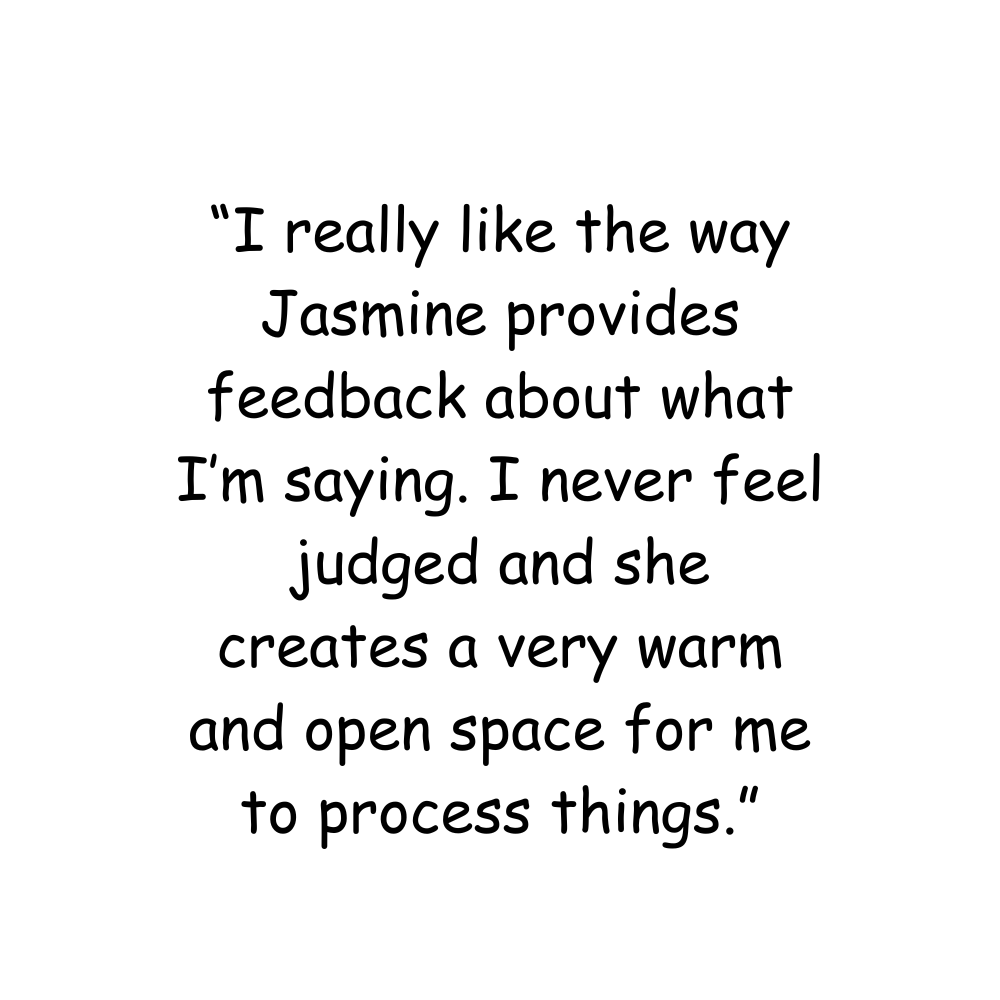
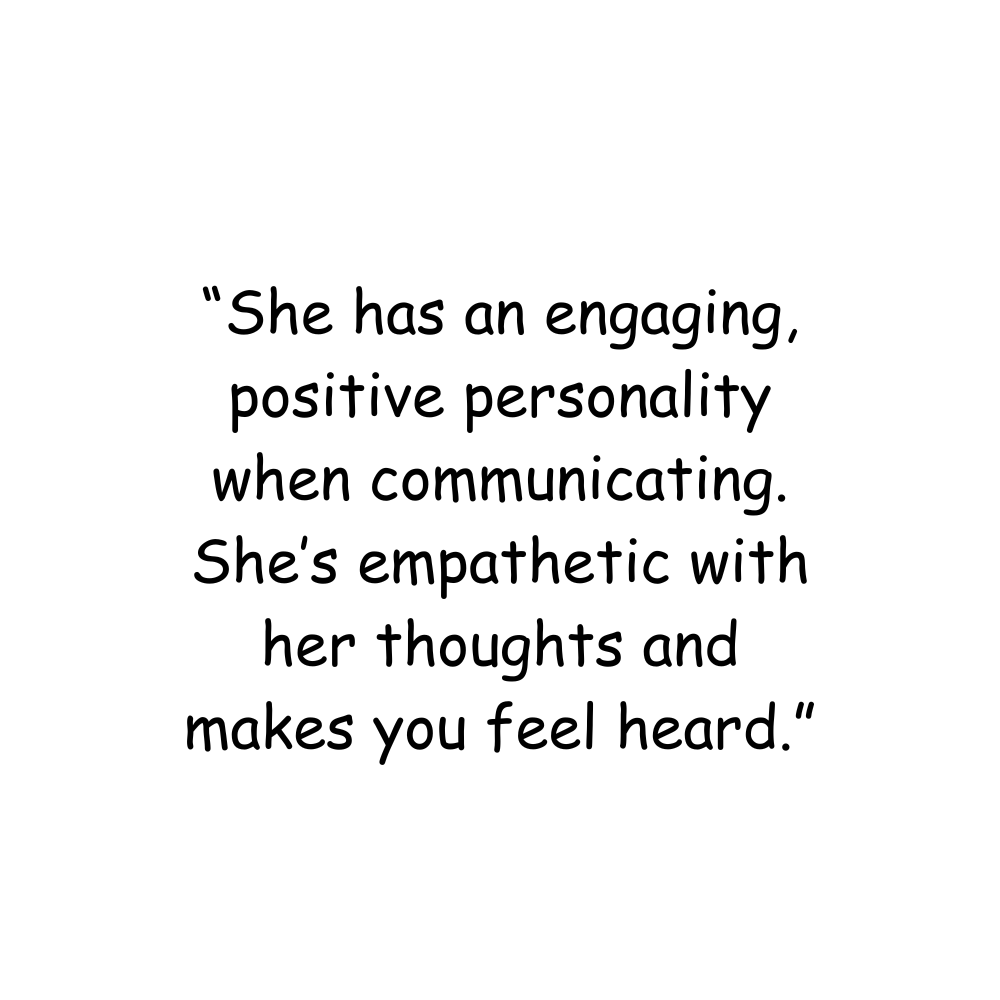
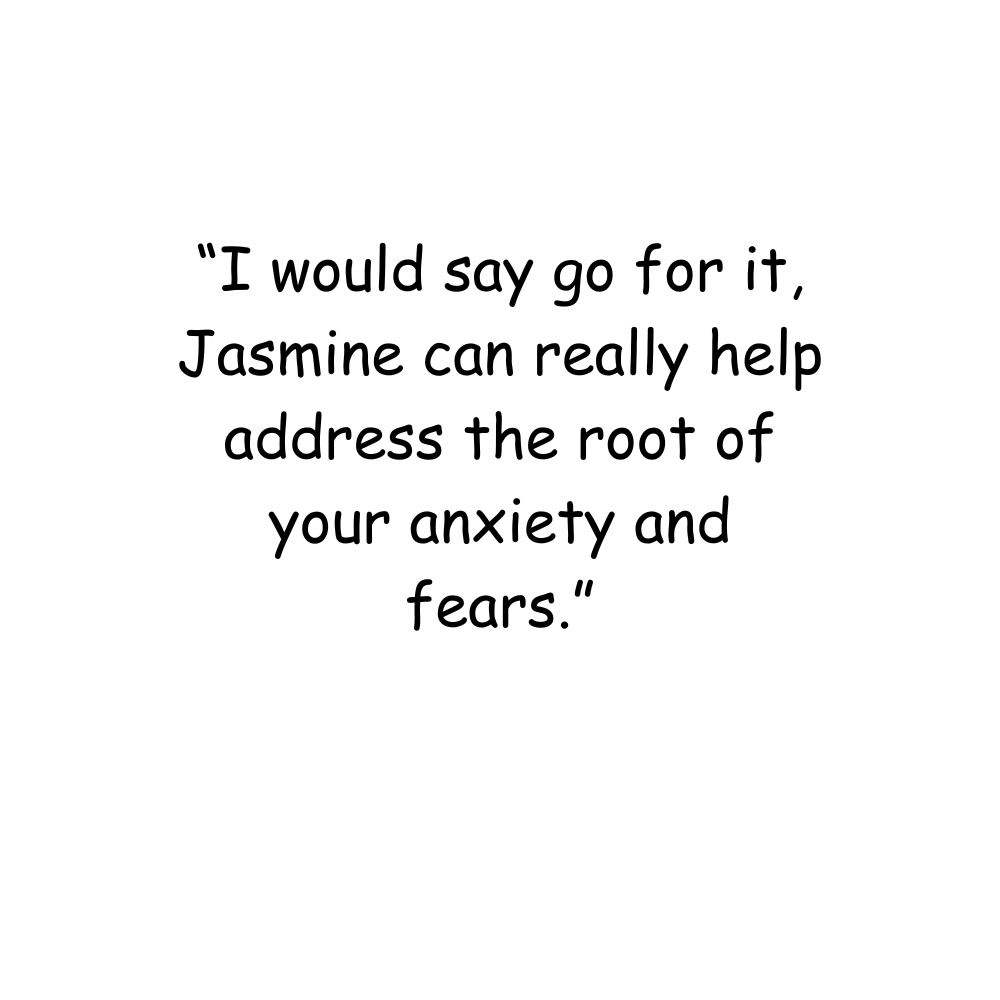
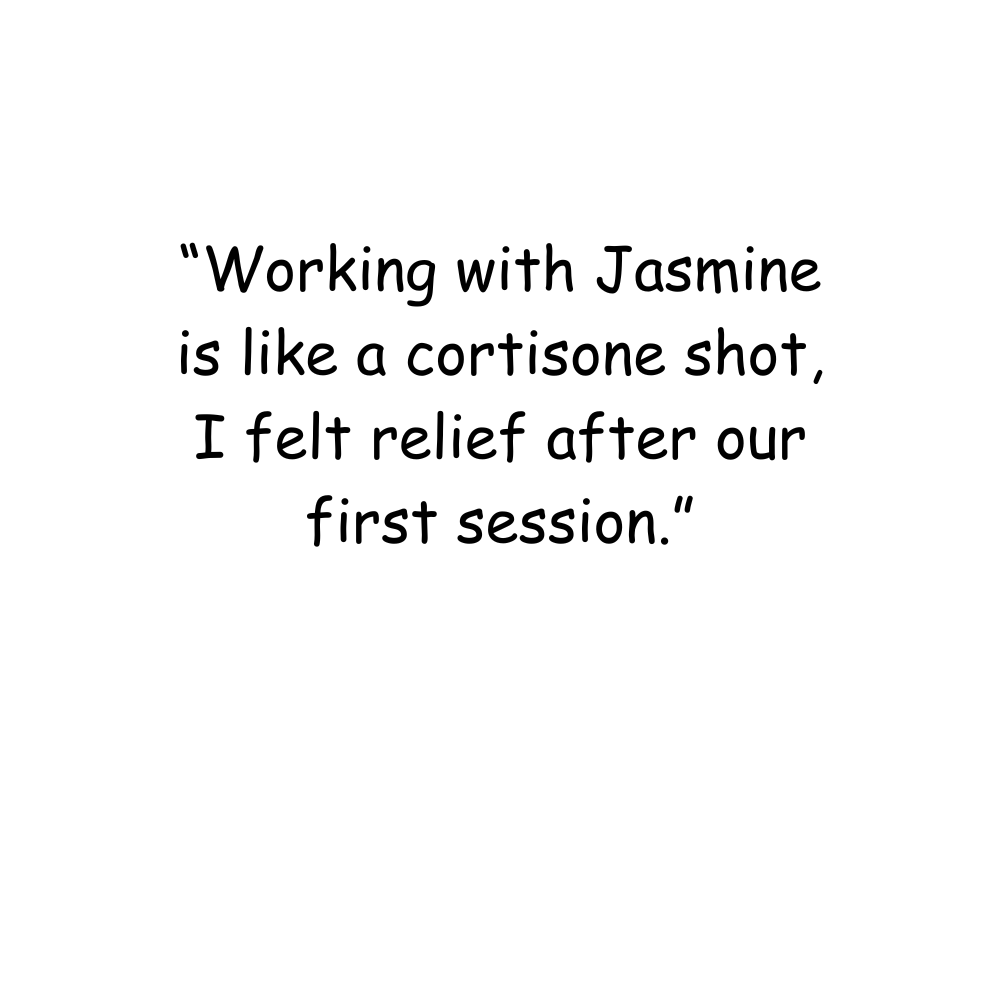
What Clients Are Saying